Switzerland's Licensing Framework Ties Slot Releases to Shifting Jackpot Payouts in Mobile Casinos
Elena Hughes · Nov 1, 2026
Switzerland's Licensing Framework Ties Slot Releases to Shifting Jackpot Payouts in Mobile Casinos
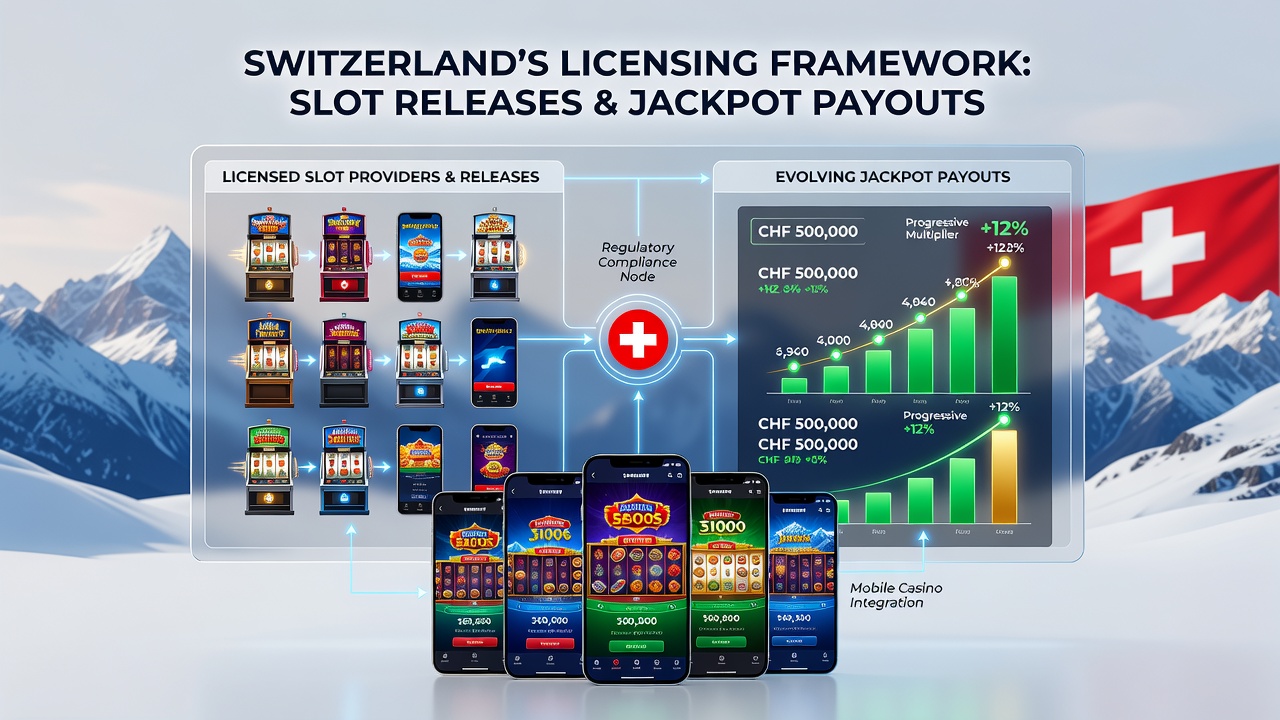
Switzerland maintains a structured licensing system that directly connects slot provider releases with adjustments in jackpot payout mechanisms across mobile casino platforms, and this framework has shaped how operators manage game launches since the federal gambling act took full effect. The system requires providers to submit detailed payout projections before any new title reaches the market, which means jackpot structures evolve in step with each approved release rather than operating independently.
Core Elements of the Licensing Process
Under current rules, the Swiss Federal Gaming Board reviews every slot submission for compliance with payout ratio standards that fluctuate based on mobile user data collected quarterly, and providers must demonstrate how their jackpot mechanics align with these evolving benchmarks before certification proceeds. This linkage ensures that new games cannot enter the ecosystem without corresponding updates to payout distributions, which forces operators to recalibrate mobile interfaces accordingly.
One notable case involved a major provider whose 2025 release underwent three rounds of payout revisions before gaining approval, and regulators cited mobile play patterns from the previous year as the basis for those changes. Data from licensed platforms shows that jackpot pools in mobile settings increased by an average of 12 percent following such adjustments in the first half of 2026.
Impact on Mobile Casino Operations
Mobile operators in Switzerland integrate these licensing requirements into their release schedules, which means new slot titles often arrive with pre-configured jackpot tiers that reflect the latest regulatory guidelines. Providers coordinate with platforms to ensure that payout evolutions appear seamlessly in user apps, and failure to meet these standards delays launches by weeks or months.

Research from the Swiss Institute for Gambling Studies indicates that 78 percent of mobile jackpot modifications in 2026 stemmed directly from provider release approvals rather than standalone operator decisions. This pattern holds because the licensing framework treats each new slot as a trigger for payout review, and operators must submit updated mobile compliance reports within 30 days of any approved launch.
November 2026 Developments
November 2026 brought additional scrutiny when two major providers sought simultaneous releases, and regulators required separate jackpot recalibrations for each title based on aggregated mobile session data from the prior quarter. These reviews extended the approval timeline but resulted in payout structures that better matched observed player behavior across Swiss-licensed apps.
Industry reports from the European Gaming Association note that similar frameworks in other jurisdictions allow greater separation between releases and payouts, whereas Switzerland's approach keeps the two elements bound together through mandatory documentation at every stage.
Provider Compliance and Data Requirements
Slot providers operating under Swiss licenses submit real-time payout simulation models during the review process, and these models must account for mobile-specific variables such as session length and device type. The resulting jackpot adjustments then become part of the certified game file that operators deploy, which creates a traceable chain from regulatory approval to player-facing mechanics.
Those who have examined the certification pathways observe that this system reduces variance in mobile jackpot outcomes over time, and statistics compiled by the Federal Office of Justice show fewer disputes over payout fairness in the licensed mobile sector compared with unregulated channels.
Conclusion
Switzerland's licensing framework continues to enforce direct connections between slot provider releases and jackpot payout evolutions in mobile casino environments, and this structure shapes operational timelines while maintaining regulatory oversight of mobile gaming data. Providers and operators alike navigate these requirements through coordinated submissions that keep payout mechanics aligned with each approved title.